

Our History
A timeline of the pivotal moments and milestones that shaped Voice for Victims - from a grassroots movement to an established Foundation supporting victims of crime.
From Movement to Foundation
Voice for Victims began as a grassroots response to the lack of meaningful support and representation for people affected by crime in Queensland.
What followed was a sustained period of community engagement, advocacy and collaboration with decision-makers, focused on ensuring victims’ experiences were properly recognised and addressed.
Over time, this work contributed to tangible changes across Queensland’s victim support and justice landscape. As the need for direct, practical support became increasingly clear, Voice for Victims evolved into the Voice for Victims Foundation – a registered charity focused on supporting victims where gaps exist, while continuing to contribute constructively to system improvement.

July 2023
Voice for Victims movement formed
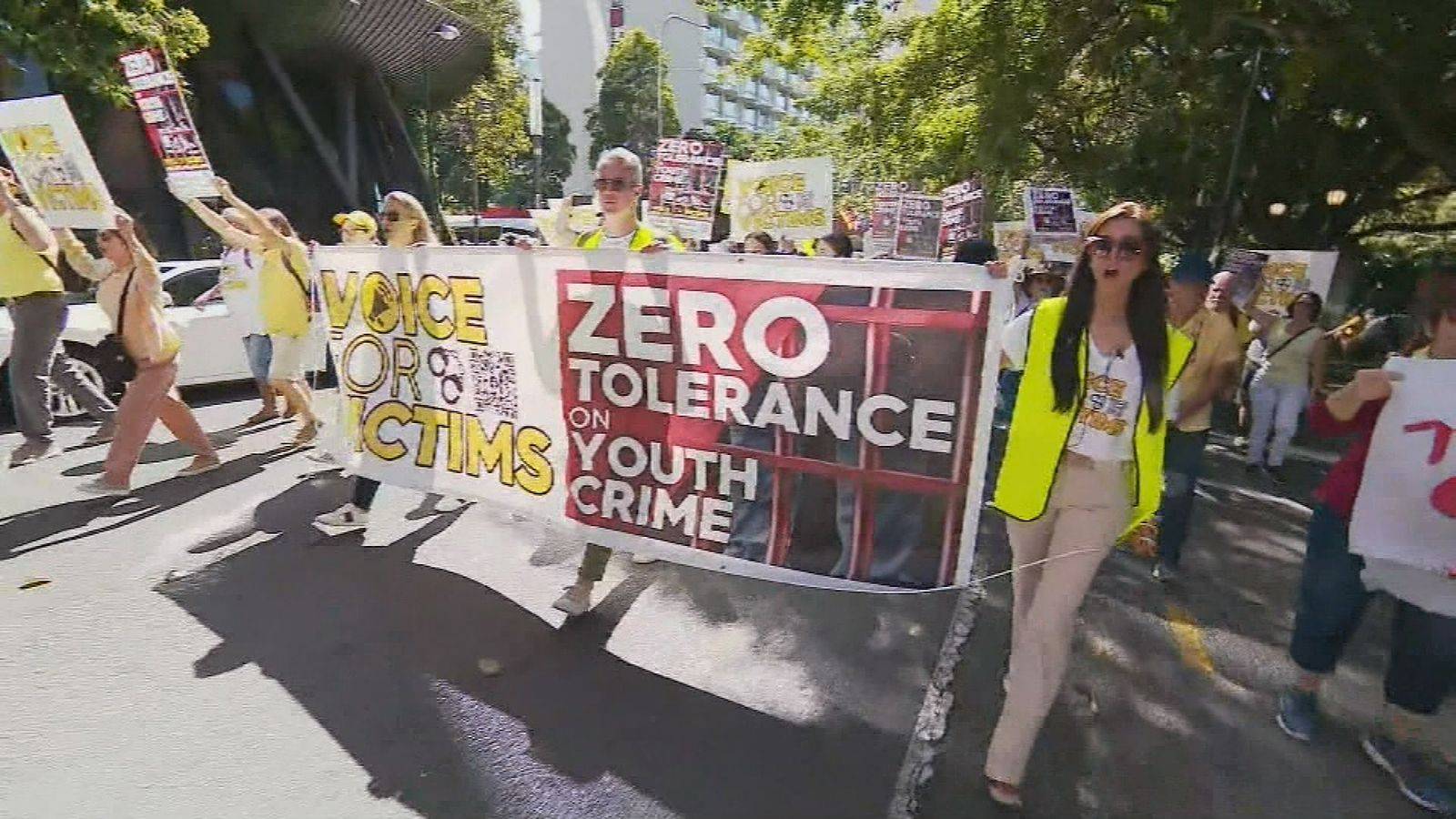
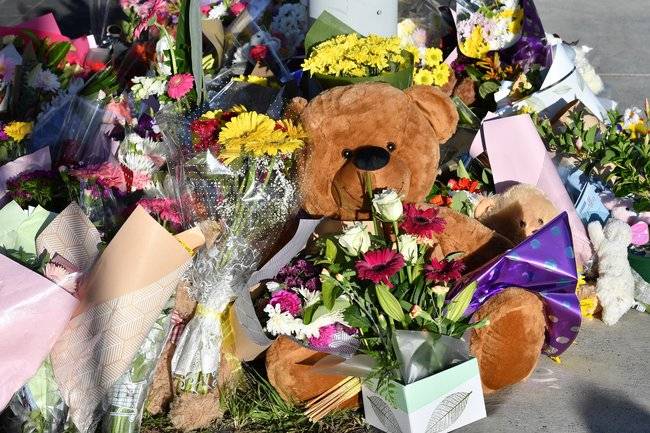
Voice for Victims was established as a grassroots movement by victims and concerned Queenslanders seeking stronger recognition of victims’ needs within the justice system.
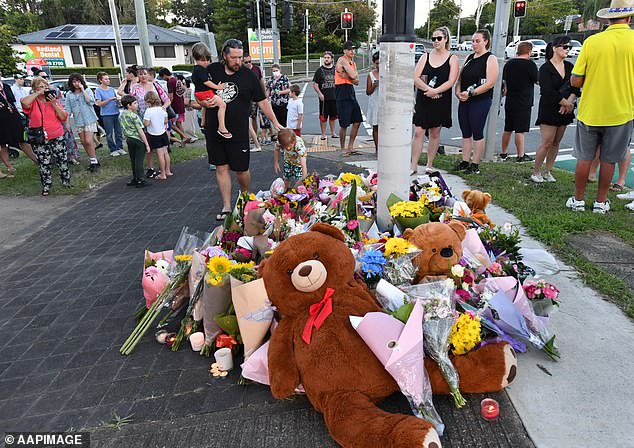
The group began engaging with government, agencies and decision-makers, contributing to public discussions and inquiries, and elevating victims’ voices in policy and justice reform conversations across Queensland. Community members were also invited to add their voice, with hundreds participating in peaceful rallies that attracted significant media attention.

August 2023
Appointment of Queensland’s first Victims’ Commissioner
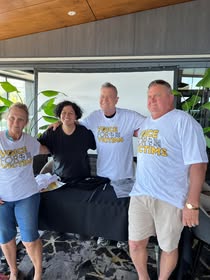
Voice for Victims was among the leading advocates calling for the establishment of a dedicated Victims’ Commissioner – a reform long sought by victims and community advocates. The appointment marked a significant step toward strengthening oversight, accountability and advocacy for victims of crime in Queensland.
September 2023
Victim financial support increased
The Queensland Premier announced an increase in financial assistance payments for victims of crime – one of the key issues consistently raised by Voice for Victims. Further work continues to improve both the timeliness and adequacy of victim support.
November 2023
Independent Ministerial Advisory Council announced
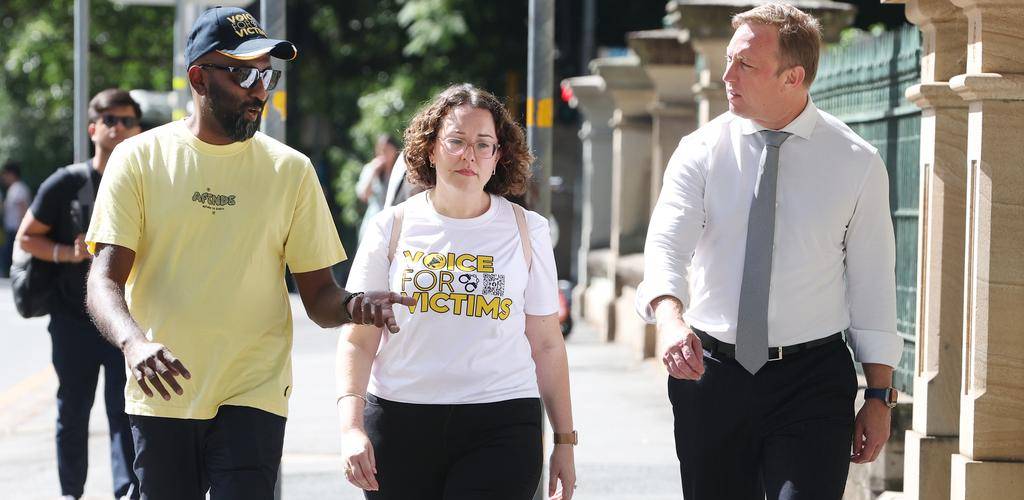
Following advocacy by Voice for Victims, the Queensland Premier announced the formation of the Independent Ministerial Advisory Council (IMAC). Voice for Victims founder Ben Cannon was appointed to the Council and, due to health reasons, later stepped down and was replaced by Natalie Merlehan.

2023 - 2024
Driving attention to youth crime and victim impact
Voice for Victims participated in multiple youth crime forums across Queensland, attended Youth Justice Reform Committee hearings, and continued engagement with all levels of government and relevant agencies.
As public recognition of Voice for Victims grew, so did requests for assistance from victims. During this period, the organisation began providing informal support through its volunteer network, highlighting the growing need for structured services.
November 2024
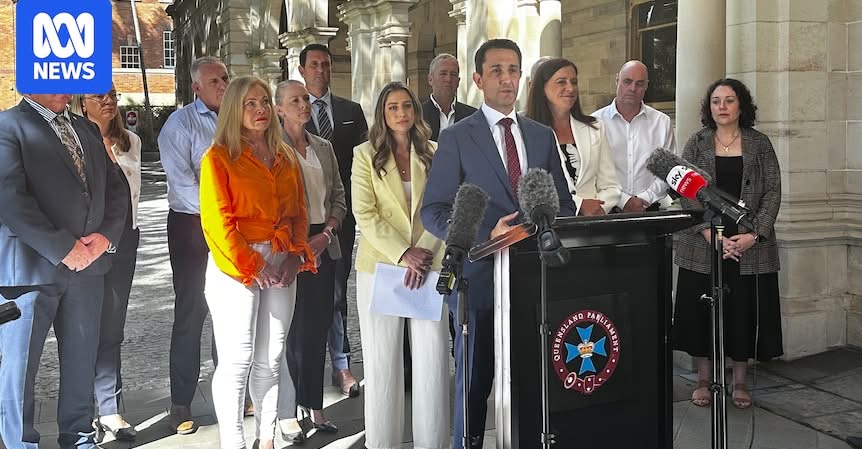
Ministerial portfolio for Victims of Crime established
Voice for Victims was a leading advocate for the establishment of a dedicated ministerial portfolio for victims of crime. The inaugural Minister for Youth Justice and Victims of Crime, Laura Gerber MP, was appointed, strengthening accountability and elevating the focus on victim needs at a government level.

2024–2025
Advisory roles and system reforms
Voice for Victims representatives continue to participate in various advisory councils and reference groups, and are appointed to new ones. Our primary role being to ensure a focus on victim support and justice reform, ensuring lived experience informs system design.
During this period, a range of reforms advocated by Voice for Victims were implemented, including requirement for judges to consider victim impact statements and harm caused during sentencing, removing ‘detention as a last resort’ from the Youth Justice Act 1992, increasing minimum sentencing, implementing mandatory minimum penalties for youths for specific serious officence, ban of the sale of knives, axes, machetes, sharp weapons and gel blasters to people under 18 years of age, and removing the ability for children to carry sharp weapons. A tele-mental health service for victims of violent crime was also established, funded by the government. The government also made a commitment to invest in proven rehabilitation programs for youths.
April 2025
Victims Advocate Service project
Voice for Victims members Trudy Ready and Natalie Merlehan were invited to join the Stakeholder Reference Group to work on the Victims Advocate Service project.

2025
Establishment of Voice for Victims Foundation
As the need for direct, practical support became increasingly clear, Voice for Victims formally set about establishing the Voice for Victims Foundation as a registered charity.
The process took several months and included endorsement as a Charity with Public Benevolent Institution status by the Australian Charities and Not-for-profits Commission (ACNC) in October 2025, followed by Deductible Gift Recipient (DGR) endorsement by the Australian Taxation Office in November 2025.

2026
Foundation launch and commencement of services
Voice for Victims Foundation officially launched and commenced more structured services for victims of crime, alongside fundraising to secure the resources required to deliver safe, structured and sustainable support.
This marked a critical transition from advocacy to service delivery – ensuring victims receive practical assistance where gaps in the system remain.
Be Part of the Change
Receive stories, updates and ways to support victims of crime.